Room Makeover Without a Designer: A Step-by-Step Approach
For those who choose to skip a professional interior designer—whether for budget reasons or personal preference—the prospect of decorating a room from scratch can feel overwhelming. Yet interior design is more art than science, with no rigid rules. A practical, step-by-step approach can turn the process into a manageable and rewarding project.
The first step is not about picking paint colors or furniture styles, but about defining the desired atmosphere. Instead of asking what the room should look like, consider how it should feel. A serene, airy retreat might call for minimal furniture and natural materials, while a lively family space could embrace bold colors and patterns. Letting mood guide choices helps create an eclectic, personal environment rather than a trend-driven one.
Gathering inspiration from social media, magazines, books, and websites can help clarify those preferences. Analyzing why certain places appeal to you—whether a cozy café or a minimalist hotel—can reveal underlying design instincts. Creating a mood board, either alone or with household members, becomes a collaborative tool for a shared space.
Practicality is equally important. Designing for the way you actually live, rather than an aspirational ideal, prevents costly mistakes. Households with children or pets should prioritize durable upholstery and surfaces. Those who rarely entertain might skip a large dining table. Working from home may justify converting a rarely used spare room into a dedicated office. Setting a realistic budget before shopping helps prioritize spending.
From Decluttering to Layout
Before adding anything new, decluttering is essential. For a redesign, remove items that are unused, unneeded, or not loved. For an empty room, think carefully before introducing each piece. Successful design starts with essentials and builds from there.
Space planning can be done with free online tools or simple paper sketches. Even marking furniture placement with painter's tape on the floor can give a sense of scale and flow. Crucially, measure the room and doorways before purchasing any furniture—a sofa that cannot fit through the front door is a costly error.
Deciding on a color palette early ensures cohesion. Neutral rooms can be enlivened with easily changeable accessories. For a bold color scheme, choose three complementary shades. An all-white room allows for mixing furniture styles and periods with ease.
If a makeover rather than a full remodel is the goal, work with existing flooring, wall color, and fixtures. For an empty room, complete any refinishing, painting, tiling, wallpapering, or cabinetry installation before bringing in furniture.
Anchor Pieces and Layered Details
In a living room, the sofa is typically the anchor piece. Investing in large, frequently used items first ensures quality and helps maintain budget awareness. Once the sofa is chosen, secondary furniture like coffee tables or alternative seating—such as an oversized pouf—can be selected to complement it. Contrasting styles, like a rustic table with contemporary chairs, add visual interest.
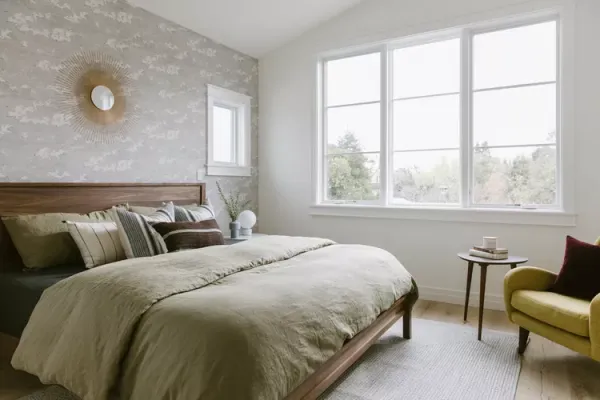
Rugs, curtains, and textiles such as bedding and throws come next, adding color, pattern, and texture that tie the room together. Lighting is a critical element: maximize natural light during the day, and layer task, ambient, and accent lighting for the evening. Illuminating all four corners of the room prevents shadows and promotes a sense of well-being.
Finally, accessorize with art, photographs, mirrors, decorative pillows, plants, and personal objects. This last step adds texture and personality, making the room feel lived-in and uniquely yours.
While the process may seem lengthy, following these steps in order—from mood to accessories—can help even a novice create a functional, beautiful space that reflects their lifestyle.
Room Makeover Without a Designer: A Step-by-Step Approach
Designing a room yourself can be daunting, but a practical, mood-first approach simplifies the process. This guide outlines a step-by-step method from setting the room's emotional tone to accessorizing, helping you create a space that fits your lifestyle and budget.
Leave a Comment
Comments (0)