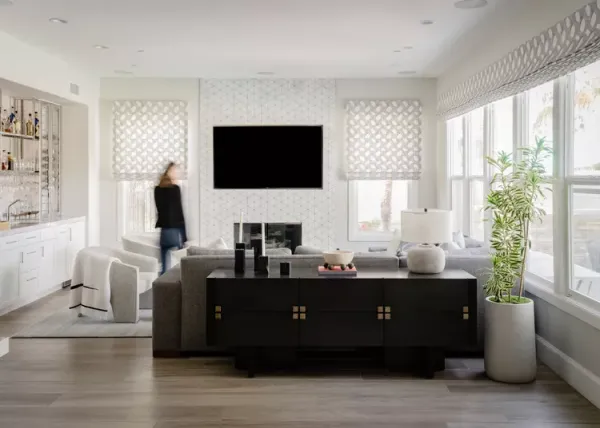
Window Coverings Guide: 56 Practical Options for Light, Privacy, and Style
Window treatments serve a dual purpose: they manage light and privacy while also contributing to a room's aesthetic and energy efficiency. A comprehensive roundup of 56 ideas, sourced from interior design professionals, illustrates the range of options available for different budgets, spaces, and styles. From simple roller shades to custom pinch-pleat drapes, the choices can be tailored to specific needs, such as blocking UV rays, insulating against cold, or creating a focal point.
The guide highlights that window dressings are more than decorative accents. Curtains, drapes, shades, blinds, and shutters can help regulate indoor temperatures, reducing reliance on heating and cooling systems. For instance, heavy drapes in cold climates can prevent heat loss, while solar shades can block harsh sunlight in south-facing rooms.
Matching Treatments to Room Function
Designers emphasize starting with practical considerations: how much privacy, light, and temperature control each window requires. For bedrooms, blackout shades or heavy curtains, like the mustard velvet ones in a nursery designed by A Beautiful Mess, can promote better sleep. Bathrooms often benefit from privacy-focused options such as cafe curtains or Roman shades, as seen in a powder room by Tyler Karu Design + Interiors, where a shellfish-motif shade complements nautical wallpaper.
In living areas, layering is a popular strategy. Louis Duncan-He Designs combined blinds and lightweight curtains in a basement bar to filter and block light, while Desiree Burns Interiors used floor-to-ceiling gray curtains to soften a wall of windows in a great room. For a seamless look, some designers match curtains to wallpaper, as Forbes + Masters did with painted curtains and matching pattern, or coordinate shades with bedding, as Ashley Montgomery Design did with a rose pink shade and linens.
Material and Style Variations
The range of materials and styles is vast. Wooden shutters, like those from deVOL Kitchens, offer an integrated, architectural feel and are durable, though they come with an upfront cost. Roller shades, including solar versions, are affordable and easy to operate, with options for manual or remote control. Cellular shades, as used by Cathie Hong Interiors, provide insulation and can be raised or lowered for light and privacy.
For a custom look without high expense, designers suggest simple DIY hacks. Adding pinch pleats to IKEA curtains can make them appear more tailored, and layering fabric on woven shades can create a bespoke feel, as demonstrated by Finding Lovely in a kitchen. Hanging curtains higher than the window frame can make ceilings appear taller, a trick used by Kate Marker Interiors with white linen curtains on slim black rods.
Practical Tips for Choosing and Maintaining
When selecting treatments, consider window size and shape, as non-standard sizes may require custom options. Measuring carefully before purchasing is advised, and hiring a professional for installation is an option. Motorized smart blinds offer convenience, opening and closing at the touch of a button.
Maintenance is also key: curtains need regular dusting and periodic cleaning to keep them looking their best. For those on a budget, lightweight paper blinds or premade curtain panels are inexpensive, and using sheets for DIY curtains is a creative alternative.
The guide also answers common questions: drapery trends include pinch pleats, bold statement drapes, and sustainable fabrics like hemp and linen. Alternatives to curtains include shades, blinds, shutters, and window film, which can be layered for more control. To make treatments look expensive, hang them wider and higher than the window, layer with shades or blinds, and keep them clean.
Ultimately, the right window treatment depends on balancing functionality with personal style, and the 56 ideas provide a broad spectrum of possibilities for every room in the home.
Window Coverings Guide: 56 Practical Options for Light, Privacy, and Style
From roller shades to puddled drapes, this guide outlines 56 window treatment options that balance light control, privacy, and energy efficiency. Designers share how to match treatments to room function, from blackout nursery curtains to solar shades for sun-facing windows.
Leave a Comment
Comments (0)