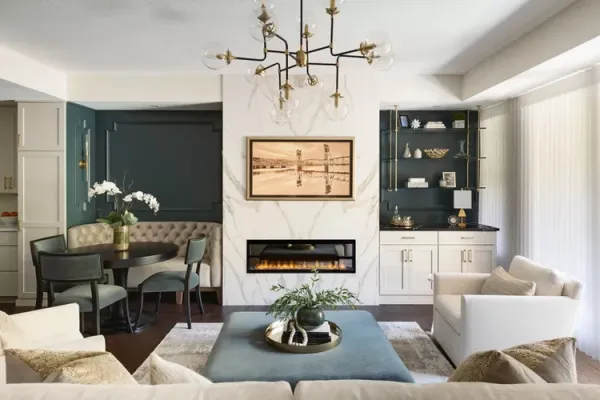
Breakfast Nook Designs: 30 Ways to Style a Cozy Corner
Breakfast nooks have become a staple in modern homes, offering a casual dining alternative that maximizes unused corners and adds charm to the kitchen. Whether you're working with a compact apartment or a spacious family kitchen, these 30 design ideas—curated from professional interior designers—demonstrate how to create an inviting spot for morning coffee, quick meals, or a quiet reading corner.
The concept is simple: a breakfast nook typically includes two or more chairs or a bench, often tucked into a corner or beneath a window. It's a versatile space that can be styled in countless ways, from minimalist and modern to traditional and eclectic. The key is to make it functional and comfortable, encouraging daily use.
Space-Saving Solutions
For smaller kitchens, a nook can be cleverly integrated into existing cabinetry, as shown by designer Carina Skrobecki for Jessica Nelson Design. This setup proves that even the tightest corners can accommodate a small table and chairs. Similarly, a minimalist approach using lucite furniture, as seen in a design by Kelsey Ann Rose for Megan Hopp, takes up less visual space, making it ideal for apartments.
Another space-saving trick is to use a round or oval tulip table, which never goes out of style and fits well in small areas. Designers also suggest pairing a bistro table with two simple chairs for a compact yet functional setup, as demonstrated in a city apartment by @mariannesides.
Design Styles and Materials
The versatility of breakfast nooks is evident in the range of styles featured. For a modern look, a tall dining bench upholstered in a sumptuous fabric adds height and elegance, as seen in a design by Stephen Karlsich for Benjamin Johnston. On the other hand, a coastal theme can be achieved with light wood tones and shades of blue and gray, complemented by oversized art and picture lights, as suggested by Chad Mellon for Lindye Galloway.
For those who prefer a more traditional aesthetic, incorporating a leather chesterfield sofa and lamps can replicate the cozy feel of an English countryside, a concept from Ashley Montgomery Design. Mixing classic prints and fabrics, as done by Victor Harshbarger for Lilse McKenna, gives a grandmillennial-inspired look that feels both refreshing and traditional.
Color plays a significant role in defining the nook's atmosphere. An accent wall in a different hue can set the space apart, as demonstrated by Alvin Wayne, where green complements plant life and wooden furniture. Alternatively, a monochromatic palette of white and beige, as used by Jack Gardner for Brad Ramsey Interiors, relies on textural variety to create a sophisticated, warm look.
Functional and Comfortable Additions
Beyond aesthetics, functionality is crucial. Built-in benches with storage underneath offer a practical solution for stashing seasonal linens and entertaining supplies, a tip from Julie Soefer for Lucinda Loya. Throw pillows add comfort and a pop of color, as seen in a design by Cathie Hong Interiors. For easy maintenance, slipcovers on benches can be tossed in the washing machine, providing a casual and worry-free option, as suggested by Calimia Home.
Lighting also enhances the nook's ambiance. Hanging a pendant light directly above the table, as shown by Ashley Montgomery Design, visually separates the nook from the rest of the kitchen. A chandelier or picture lights can add a touch of elegance, as seen in designs by Chad Mellon for Lindye Galloway and others.
Frequently Asked Questions
When considering a breakfast nook, common questions arise about its functionality and value. According to the original source, a breakfast nook can include a bench, chairs, and a table, with throw pillows for coziness and a small chandelier if space allows. Adding a breakfast nook can increase a home's value by providing additional functional space and a welcoming area for potential buyers to envision themselves enjoying coffee or a break from work.
For those planning the dimensions, bench seating should be 12.5 to 20 inches deep, while chairs require at least 36 inches between the table and wall to ensure comfortable movement.
With these ideas, any homeowner can transform an underused corner into a delightful breakfast nook that serves both practical and aesthetic purposes.
Breakfast Nook Designs: 30 Ways to Style a Cozy Corner
From space-saving corner setups to elegant built-in banquettes, these 30 breakfast nook ideas show how to turn an underused kitchen area into a welcoming spot for meals and relaxation. Designers share tips on seating, lighting, and color to match any style or home size.
Leave a Comment
Comments (0)