Renter-Friendly Kitchen Upgrades That Protect Your Deposit
Renters looking to upgrade their kitchen without losing their security deposit have a wide range of options that are both budget-conscious and reversible. From temporary backsplashes to simple hardware swaps, these ideas allow tenants to personalize their space while keeping their landlord satisfied.
The list of 52 suggestions, compiled by design experts, emphasizes changes that don't require permanent alterations. Many projects can be completed in a weekend with minimal cost, and several involve asking the landlord for permission before making more significant updates.
Quick Fixes for Immediate Impact
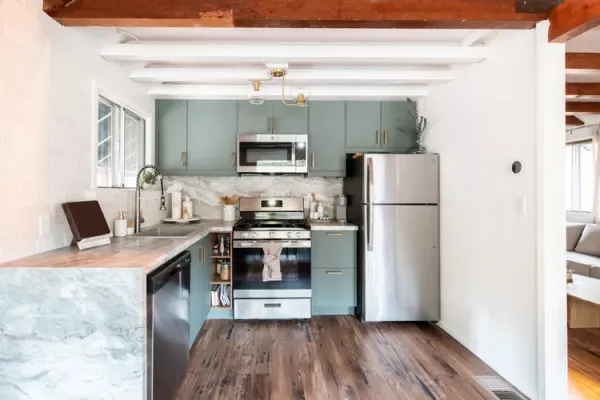
One of the simplest changes is swapping out cabinet hardware. Replacing old knobs with modern pulls, such as gold-toned bar pulls or black metal options, can instantly update the look of a kitchen. This is a reversible change that can be undone before moving out.
Lighting also plays a key role. Changing out dated fixtures for pendant lights can define a semi-open kitchen and add a modern touch. Renters are advised to keep the original fixtures to reinstall later if needed.
For those with a bit more time, painting cabinets can be a transformative project. One renter, with the landlord's blessing, refreshed rustic wood cabinets with olive green paint for about $55. Others have successfully repainted dated backsplash tile with water-based tile paint, a quick and budget-friendly DIY.
Reversible and Removable Options
Peel-and-stick tiles are a popular choice for adding a backsplash without permanent damage. They are removable and can protect walls from splatters. Similarly, peel-and-stick wallpaper can add an accent to a dining nook and can be changed easily.
For those who want to hide clutter or dated appliances, a skirted cabinet made from fabric and a tension rod can be a simple DIY solution. Another idea is to use a stylish trash can to free up under-sink space and add a design element.
Open shelving, whether hung on walls or under an island, can provide extra storage while keeping essentials visible. Sticking to a limited color palette on shelves can create a neat, orderly look.
Making the Most of Small Spaces
In small apartments, maximizing vertical space is key. Hanging shelves up to the ceiling can draw the eye upward and make a narrow kitchen feel less cramped. A full-wall backsplash can also make ceilings appear taller.
Adding a small mobile island on wheels can create separation between cooking and living areas, and provide extra storage. For those with a balcony or outdoor space, setting up a small seating area can extend the kitchen and create an indoor-outdoor flow.
Using mirrors, such as a vintage convex mirror or a thrift shop mirror leaning against the wall, can reflect light and make the space feel larger. A mirrored backsplash is another option that adds depth.
Landlord-Approved Changes
Some renters choose to make larger changes with the owner's consent. Replacing an old countertop, for example, can give a kitchen a fresh look. In one case, a countertop was replaced with alder pine, and a short matching backsplash was added.
Asking the landlord to contribute to costs is also possible. Some landlords may chip in if the renter offers to do the labor. It never hurts to ask, as one renter discovered when they received permission to paint their dated cabinets.
For those in open-plan apartments, defining zones with lighting or a rug can help separate the kitchen from the living area. Pendant lights at different heights can anchor different zones, while a striped runner rug can add pattern and movement.
Ultimately, these ideas focus on making a rental feel like home while respecting the property. With a little creativity and effort, renters can enjoy a personalized kitchen without the worry of losing their deposit.
Renter-Friendly Kitchen Upgrades That Protect Your Deposit
Renters can refresh their kitchens without risking their security deposits using temporary, low-cost changes. From peel-and-stick tiles to cabinet hardware swaps, these 52 ideas focus on reversible and landlord-approved updates.
Leave a Comment
Comments (0)