Apartment Decorating Pitfalls: Designers Share Six Common Errors
Decorating an apartment presents unique challenges, and even seasoned renters can fall into common traps. Four interior designers recently shared six frequent mistakes they encounter when helping clients style their living spaces. From rug proportions to lighting layers, these insights aim to help you avoid costly errors and create a home that feels both functional and inviting.
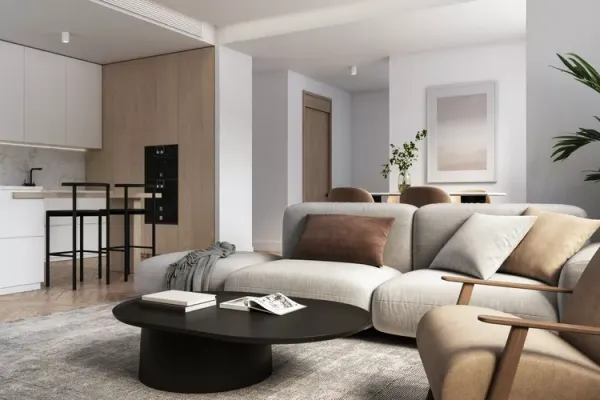
One of the most widespread issues, according to Danielle DiBernardo of Danielle Interiors, is choosing a rug that is too small for the room. A tiny rug floating in the center of a living area disrupts the visual balance. DiBernardo advises that the front legs of your furniture should rest on the rug, anchoring the seating arrangement and making the space feel cohesive.
Another common pitfall is ordering furniture that overwhelms the room. Jill Wheeler, founder of Birch Hill Interiors, notes that people often try to bring oversized pieces from a previous home, only to find them cramped in an apartment. For example, a traditional 82-inch console or a full three-seater sofa can dominate a compact living room. Danielle Domingues of Collins & Co Interiors recommends using a top-down space plan to visualize how each piece will fit. She points out that even a difference of 12 inches in a round table’s diameter—say, 60 inches versus 48 inches—can dramatically alter the flow of a room.
Lighting is another area where apartments often fall short. DiBernardo explains that most rental units lack sufficient ambient light, so relying solely on overhead fixtures can leave a space feeling harsh or dim. She suggests layering multiple light sources, such as table lamps, floor lamps, and sconces, to create a warm and versatile atmosphere. These fixtures also offer an opportunity to express personal style through shade and base choices.
Renter-Friendly Upgrades and Color Choices
Before making any decorative changes, Michael Graham-Smith of Graham-Smith Designs encourages tenants to review their lease for permitted alterations. Understanding whether you can paint or apply removable wallpaper can open up transformative options. If such changes aren’t allowed, Graham-Smith suggests using curtains and rugs to elevate the space without permanent modifications. These items can be taken to your next home or sold at the end of the lease, offering long-term value.
When landlords do permit wall changes, Wheeler advises embracing color rather than sticking to neutral tones. A black accent wall or a wallpapered room can make an apartment appear larger and more dynamic. “Escape the land of neutral tones and take a chance,” she says, encouraging renters to personalize their space even if they plan to move soon.
Investing Wisely in Furniture
Finally, designers caution against splurging on pieces that won’t transition well to future homes or stand the test of time. Graham-Smith recommends investing in high-quality items you’ll love for years, such as a comfortable bed, a stylish chair, or a sturdy coffee table. These pieces can move with you and continue to serve, whereas trendy or oversized items may become burdensome.
By heeding these expert tips, apartment dwellers can avoid common decorating missteps and craft a space that is both beautiful and practical. Whether you’re a first-time renter or a seasoned pro, thoughtful planning and a willingness to adapt can make all the difference.
Apartment Decorating Pitfalls: Designers Share Six Common Errors
Four interior designers identify six frequent decorating missteps in apartments, from undersized rugs to poor lighting choices. Their guidance helps renters and owners alike create stylish, functional spaces without costly errors.
Leave a Comment
Comments (0)