What Dinner Guests Really See When They Sit at Your Holiday Table
When guests gather for Thanksgiving, the table is more than a surface for food—it sets the emotional tone for the entire meal. Interior designers say the details they notice first are often the ones hosts overlook: the crispness of a tablecloth, the height of a floral arrangement, and whether the setting feels intentional or merely assembled.
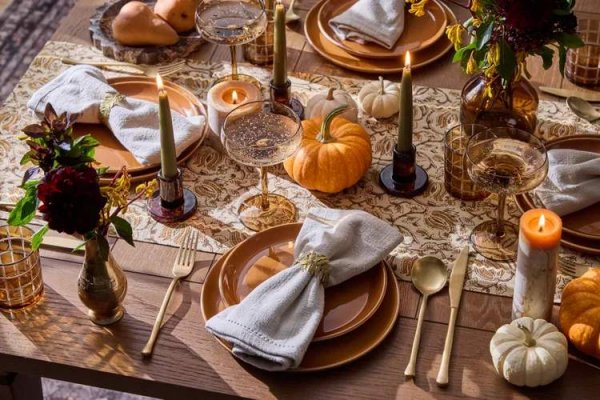
According to John McClain, CEO and creative director of John McClain Design, the table’s foundation is the first thing guests register. “The tablecloth is the stage,” he says, “and when that stage looks pulled together, everything on top shines a little brighter.” McClain emphasizes that even small lapses—a too-short cloth, mismatched napkins—can make the table feel unfinished. His advice: invest in quality linens within a cohesive color palette, and store them together so mixing and matching is effortless. A well-chosen napkin ring, he adds, adds polish without extra effort.
Why Restraint Beats Over-Theming
Marie Flanigan, founder of Marie Flanigan Interiors, cautions against leaning into obvious holiday motifs. “Overly themed seasonal color can make a table feel contrived rather than collected,” she says. Instead, she recommends muted earth tones, aged brass, and natural greenery—colors that feel elevated and allow the meal and conversation to take center stage. Flanigan’s philosophy: simplicity and intention create the most beauty.
Centerpieces are another focal point. Flanigan warns that arrangements blocking sightlines can disrupt the essence of Thanksgiving—connection. Low, layered arrangements, scattered votives, or natural branches add texture without becoming barriers. McClain echoes this, noting that florals bring life but must not compete with the meal. Oversized or mismatched bouquets overwhelm, while too-small ones seem like an afterthought. His tip for first-time hosts: stick to one color family with varied textures and shapes—simple, elegant, and always chic.
Avoiding the Cluttered Table
Overcrowding—whether with decor or dinnerware—can make guests feel confined. Flanigan advises leaving room for serving pieces and family-style dishes. “A thoughtfully edited table allows your guests to feel comfortable and keeps the focus where it belongs: on gathering, gratitude, and the shared beauty of the moment,” she says.
Finally, personal touches—handwritten place cards, a DIY centerpiece—make the table feel warm and meaningful rather than store-bought. As McClain notes, these details show guests you’ve put thought into their experience, and that’s what they’ll remember long after the plates are cleared.
What Dinner Guests Really See When They Sit at Your Holiday Table
Interior designers reveal the subtle details guests notice most about a Thanksgiving table, from linens and centerpieces to the balance of decor and personal touches. Learn how to create a welcoming, polished setting that keeps the focus on connection and conversation.
Leave a Comment
Comments (0)