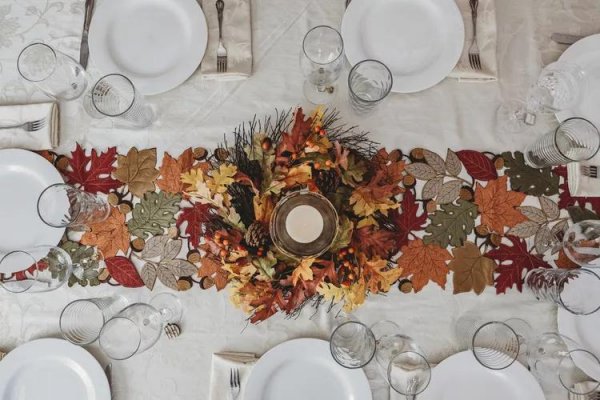
Why Scented Candles on the Holiday Table Can Spoil Dinner
Setting a festive holiday table often includes the warm glow of candles, but experts caution that scented varieties may compromise the meal. Party hosting pro Jeannine M. Rose and interior designer Kathy Kuo both advise against using scented candles in the dining area, citing their potential to mask the aroma of food and even dull its flavor.
Rose, who runs the blog Sweet Humble Home, explains that the sense of smell is integral to taste. “When your guests arrive, you want them to be able to pick up on the scent of what culinary delights you have cooking—not the heavy scent of a vanilla sugar candle,” she says. Kuo, CEO of Kathy Kuo Home, adds that artificial scents can be particularly problematic for guests with heightened sensitivity, recommending that hosts avoid them entirely.
The solution, according to Rose, is to opt for unscented tealights or tapers, which still create a cozy ambiance without interfering with the dining experience. For those who enjoy scented candles, Rose suggests placing them in other areas of the home, such as entryways, powder rooms, or near the bar, where they can set a mood without affecting the meal.
Other Tablescape Pitfalls to Avoid
Beyond candles, both experts identify several common mistakes that can detract from a dinner party. Tall or bulky centerpieces top the list, as they can obstruct conversation and make it difficult to pass dishes. Kuo emphasizes that decor should never dominate the table or block sight lines, and advises keeping enough space between elements to allow for easy conversation.
Perfectly matched tableware is another misstep, according to Kuo, who prefers a mix of dinnerware and serving dishes that feels collected over time. Rose warns against glitter or confetti, noting that these sparkles cling to glasses and napkins and can end up on plates, distracting hosts from enjoying the party.
Rose also advises against using unstable or wobbly decor, sharing a personal anecdote about a bowl of antique glass ornaments that shattered onto a guest's plate when a bauble was knocked during dinner. “Stability is a pretty important criteria for table decor,” she says.
Functionality and Accessibility
Rose points out that hosts often overlook the functional aspects of a tablescape, such as designating spots for serving dishes. She suggests setting the table a day in advance and using sticky notes to mark where platters and pitchers will go, leaving breathing room for guests. Kuo adds that drinks should always be within reach, recommending items like a pitcher and wine cooler to avoid guests having to leave the table to refill their glasses.
Ultimately, Rose's rule of thumb is simple: “If it gets in the way of conversation, functionality, comfort, or food, it doesn't belong on the table.” By keeping this in mind, hosts can create a tablescape that is both beautiful and conducive to a memorable gathering.
Why Scented Candles on the Holiday Table Can Spoil Dinner
Hosting experts warn that scented candles on the dinner table can interfere with guests' taste perception and trigger sensitivities. They recommend unscented alternatives and highlight other tablescape pitfalls like tall centerpieces and unstable decor that can disrupt meals.
Leave a Comment
Comments (0)