Maximizing a Compact Nursery: 15 Practical Space-Saving Strategies
Designing a nursery in a compact room—sometimes no larger than a walk-in closet—demands resourcefulness. Whether you're working with a modest bedroom or carving out a corner for a shared space, these 15 strategies offer practical ways to enhance functionality without compromising style.
For many parents, the challenge isn't a lack of ideas but a lack of square footage. However, with a bit of creativity, even the smallest nursery can become a comfortable and organized haven. From furniture choices to storage hacks, each approach focuses on making the most of what's available.
Furniture Adjustments That Free Up Space
One of the most effective ways to save space is to reconsider the crib. Traditional cribs can dominate a room, but mini versions offer the same look and feel with a smaller footprint. Many models are priced under $400, making them a budget-friendly option as well. Additionally, some cribs come with built-in drawers underneath, providing extra storage without taking up additional floor space.
Another furniture swap is to skip the bulky changing table. Portable changing trays that secure across the crib rails offer a safe spot for diaper changes and can be stored underneath when not in use. This eliminates the need for a dedicated piece of furniture, freeing up valuable room.
Vertical and Hidden Storage Solutions
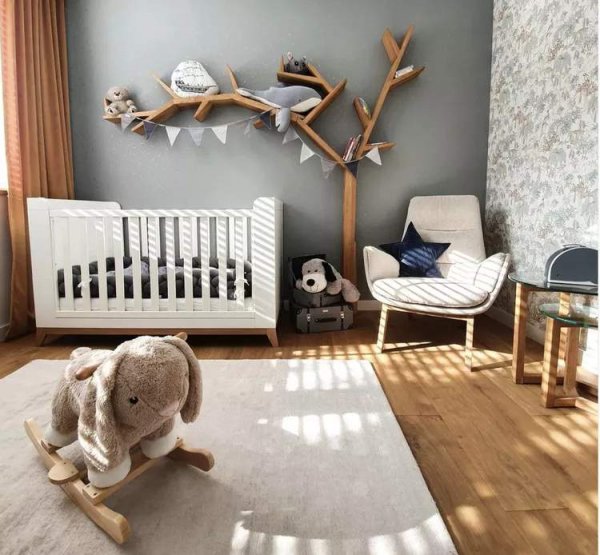
When floor space is limited, look upward. Wall hooks are a simple yet effective way to utilize vertical space—hang canvas bags from each hook to store toys, plush animals, or socks. Floating shelves provide storage without occupying floor area and can even replace traditional furniture. Some shelves come with attached hanging rods, allowing you to display baby outfits while keeping them accessible.
Book ledges are another smart addition. Even a few inches of space behind a door can accommodate a mini library. These ledges hold dozens of books while taking up a fraction of the space of a bookshelf, and they're inexpensive and easy to install—DIY options are also possible.
Don't overlook the space under the crib or in the closet. Adding a second rail to a closet can double its capacity, and staggering the rails allows for closer placement with room for additional storage below. For those who prefer open storage, removing closet doors entirely can make the room feel larger and offer more flexibility in furniture arrangement.
Design and Lighting Tricks
Color and light play crucial roles in making a small space feel bigger. A soft white paint or wallpaper can visually expand the room, and white furniture extends that effect while creating a calm atmosphere for your baby. Natural light is also a valuable asset—choose blinds that can be fully closed for privacy but easily lifted to let sunshine in.
For lighting, consider wall-mounted sconces instead of floor lamps. They provide soft illumination for nighttime feedings or rocking without taking up floor space.
Finally, don't forget to declutter before organizing. Once you've installed storage, sort through items and discard what you no longer need. This ensures that every shelf and hook is used efficiently, keeping the nursery tidy and functional.
These ideas demonstrate that a small nursery can still be stylish and practical. By thinking vertically, choosing multi-purpose furniture, and embracing light and color, you can create a welcoming space for your little one—no matter the size.
Maximizing a Compact Nursery: 15 Practical Space-Saving Strategies
Decorating a small nursery requires inventive solutions to maximize every inch. From downsizing cribs to utilizing vertical wall space, these 15 practical ideas help create a functional and stylish room for your baby without sacrificing comfort or budget.
Leave a Comment
Comments (0)