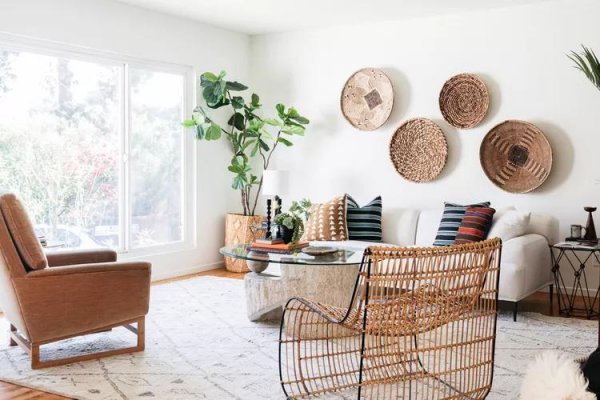
Compact Living Room Design: 46 Expert Tips to Maximize Style and Space
Designing a small living room is a test of creativity and practicality. With the right approach, a compact area can feel both spacious and inviting. Experts suggest that the key lies in deliberate choices about color, furniture, and lighting, transforming limitations into opportunities for a refined design.
Interior designers emphasize the importance of a cohesive color palette. Gian Moore, a former interior designer and partner at Mellowpine, advises sticking to monochromatic and tonal hues to create flow. "The primary thing to remember when designing a small room is to ensure all tones stick to the same color palette," he says. This approach prevents visual fragmentation, making the room appear larger.
Lighting plays a crucial role in enhancing the perception of space. Moore recommends layering lighting at different heights. "Layering the heights of your lighting is key—so ensure you have a pendant light overhead with a dimmable control, lots of lamplight and wall lights," he explains. Wall lights that direct soft shafts of light up and down can also make the ceiling seem taller.
Furniture selection is another critical factor. Kate Diaz of Swanky Den suggests using multipurpose pieces to save space and increase functionality. This could include bookshelves near windows that double as window seats or an upholstered ottoman that serves as both a coffee table and extra seating. Similarly, Jeneva Aaron of The House Wire recommends focusing on hanging cabinets or open-air coffee table storage to free up floor space.
Color and Light: The Illusion of Space
Light colors are a staple in small room design. Roman Ramona, founder of Living Beyond Design, notes that "Colors such as white have a higher reflectance, and this can make your room seem a lot bigger than it is." This trick works well in small spaces as it lets light bounce around the room. For those who prefer warmth, light shades of beige or taupe also reflect light effectively.
Mirrors are a timeless hack for expanding a room visually. Placing a mirror opposite a window reflects natural light, making the space feel more expansive. Diaz adds that a mirror leading into the living room can give the space a lighter, airier feel. For a dramatic effect, hanging mirrors facing each other creates an "infinity effect," tricking the eye into perceiving greater depth.
Strategic Decor and Storage Solutions
Decluttering is essential, but it doesn't mean sacrificing style. Diaz suggests decluttering by moving items to different places around the room to keep it interesting. She also recommends using vases for visual interest without clutter, opting for glass or porcelain for a tall, clean look.
Storage should be both functional and discreet. Heather Higgins of Higgins Design Studio emphasizes the importance of modular-style storage with cabinets and drawers. "I often create a storage wall that runs the length of a space," she says. "Because the units are usually just 15-18” deep, they require very little floor space, but provide copious storage."
For those with awkward layouts, embracing the quirkiness can be an advantage. A salon-style gallery wall or jewel box-inspired decor can shift focus away from the room's size. In a 1920s Tudor home, a classic fireplace with a black-and-white patterned tile surround and contemporary art serves as a focal point, anchoring the room's design.
Ultimately, the goal is to balance functionality with aesthetics. As Higgins notes, "The effective use of space is the most important element in designing a small living environment. Although it is tempting to try and use every square inch, maintaining a balance with open, empty space is key." This philosophy ensures that a small living room remains comfortable, personal, and visually appealing.
Compact Living Room Design: 46 Expert Tips to Maximize Style and Space
Designing a small living room requires strategic choices in color, furniture, and lighting. This guide compiles 46 expert-backed ideas to help you create a stylish and functional space, from tonal palettes to multipurpose pieces.
Leave a Comment
Comments (0)