How to Design a Room Without an Interior Designer: A 12-Step Guide
Designing a room from scratch can feel intimidating without professional help, but a start-to-finish guide published by Home Design & Decorating outlines a 12-step approach for doing it yourself — whether the goal is saving money or simply enjoying the process. The guide's central premise is that interior design is more art than science, with no hard and fast rules, and that focusing on how a space should feel is more useful than chasing a particular style or trend.

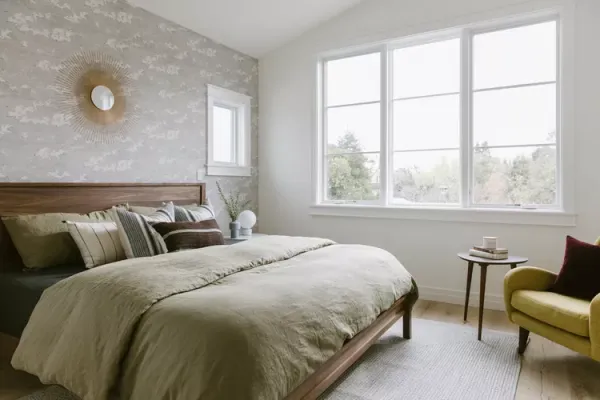
Credit: Christy Q. Photo / Cathie Hong Interiors
The first step is setting the mood. Rather than asking what a space should look like, the guide suggests asking how it should feel. A light and airy zen oasis might call for minimal furniture and natural materials; an energizing family space may suit bold colors and patterns. That mood then guides colors, textures, furniture, and decor choices.
Getting Real About Budget and Lifestyle
Before buying anything, the guide advises coming up with a realistic budget that helps prioritize spending. It also stresses designing for how you actually live now, not an aspirational version of your life. Households with rambunctious kids or pets should choose upholstery fabrics and surfaces that can take a beating. People who live alone and rarely entertain don't need a dining table for six hogging floor space. Those who work from home might move a makeshift office from the living room corner into a spare room used only during holidays.

Credit: Margaret Austin Photo / Cathie Hong Interiors
Decluttering comes next. If redecorating, start by eliminating anything you don't use, need, or adore. If designing an empty room, think before bringing anything in. The guide frames successful design as embracing the essential and building from there.
Layout, Color, and the Order of Purchases
Space planning doesn't have to be technical. Free online room design tools and home design software exist, but the guide also suggests sketching layout ideas on paper or marking furniture placement with painter's tape to get a sense of scale and flow. Before buying a single piece of furniture, measure the space — and measure twice. Otherwise, a sofa might be too large to fit through the front door or too small for the living room.

Credit: Margaret Austin Photo / Cathie Hong Interiors
Deciding on a color palette early helps create a cohesive look. Neutral rooms can be brightened with easily changed accessories. Those set on green, pink, or blue should pick three complementary shades. All-white rooms allow mixing furniture styles and periods with ease.
For a makeover rather than a remodel, the guide suggests building on existing flooring, wall color, and fixtures. For an empty room, refinish floors, paint walls, add tile, wallpaper, or wall panels, or install cabinetry before bringing in furniture and accessories.

Credit: Christy Q. Photography / Cathie Hong Interiors
Anchor pieces come next. In a living room, that's usually a sofa. Making the biggest, most expensive purchases first helps avoid skimping on quality for high-use items, maintains a realistic sense of budget, and clarifies how much room remains for additional furniture.
Secondary furniture follows. After choosing a sofa, look at coffee tables to determine what sizes and styles fit, or whether an oversized pouf would work better. Contrast a rustic wooden farm table with contemporary metal chairs, or complement a modern upholstered headboard with vintage lighting or bedside tables.

Credit: Christy Q. Photo / Cathie Hong Interiors
With the room's flow established, choose rugs, curtains, and textiles such as bedding, throws, and decorative pillows that complement anchor pieces and add color, pattern, and texture.
Lighting and the Final Layer
Lighting is described as one of the keys to successful room design. The guide recommends maximizing natural light for daytime and adding layered options for evening — functional task lighting, warm ambient table lamps or sconces, and sculptural pendant lighting that functions as decor. Lighting all four corners of the room helps avoid shadows and promotes a sense of well-being after dark.
Accessorizing is the final step. With essentials in place, the guide suggests stepping back to ask what's missing, then selecting and hanging art, photographs, or decorative mirrors. Additional decorative pillows and throws can be layered in, and shelves and tables styled with design books, candles, decorative objects, plants, or souvenirs. This is where personal touches add texture and make the room feel like home.
How to Design a Room Without an Interior Designer: A 12-Step Guide
A start-to-finish guide outlines 12 steps for designing a room without hiring an interior designer, from setting the mood and decluttering to choosing anchor pieces and layering lighting. The approach emphasizes designing for how you actually live, measuring before buying, and prioritizing budget on high-use items.
Editorial Notes