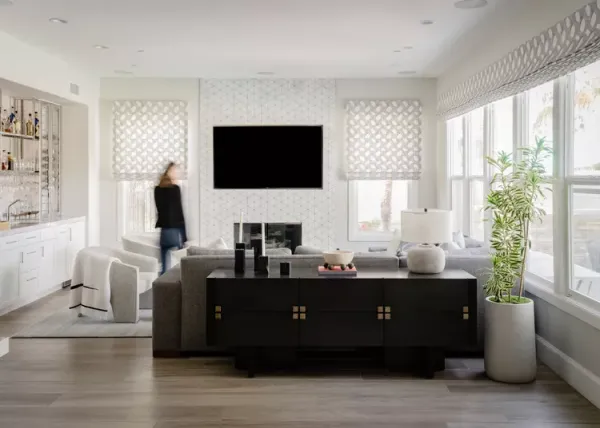
Window Treatments Guide: 56 Ideas for Light, Privacy and Style
Window treatments are often treated as a finishing touch, but they serve functions beyond decoration. Curtains, drapes, shades, blinds and shutters can control light and privacy and help keep a home warmer in winter and cooler in summer without wasting energy.

This guide compiles 56 window treatment ideas for different budgets, styles and spaces, with examples from designers including deVOL Kitchens, Leanne Ford Interiors, Michelle Berwick Design, Tyler Karu Design + Interiors, Forbes + Masters, Louis Duncan-He Designs, Cathie Hong Interiors, Sissy + Marley Interior Design, Pluck Kitchens, Kate Marker Interiors, Mary Patton Design, Becca Interiors, Martha O'Hara Interiors, Emily Henderson Design, Jessica Nelson Design, Ashley Montgomery Design, Caroline Andreoni Interior Design, Emilie Fournet Interiors, Desiree Burns Interiors, Marie Flanigan Interiors, Tina Ramchandani Creative, Brophy Interiors, Finding Lovely and A Beautiful Mess.
Shades, Blinds and Shutters
Roller shades are popular for modern windows and can be operated manually or by remote control. Solar shades, a variation, offer protection against UV rays. Cellular shades can be raised or lowered as light and privacy needs change. Roman blinds suit fixed windows that are not opened often, and wooden blinds are described as classic, versatile and easy to wipe clean. Interior wooden shutters have an integrated, architectural feel; while there is an upfront cost, they are easy to maintain. Blackout shades are suggested for bedrooms, and opaque cafe curtains or half-curtains for bathrooms.


Curtains and Drapes
Curtains can blend into a room or add color and pattern. Hanging them above the window can draw the eye upward and make ceilings seem taller. Floor-to-ceiling curtains can create a cloud-like feel, while sheer curtains diffuse light and preserve views. Heavy drapes in cold climates may help keep heat from escaping and cold air from seeping in, potentially reducing utility costs and conserving energy. Layering blinds with curtains provides more light and privacy control throughout the day.


Window Film and Alternatives
Opaque privacy glass or removable window film can be applied directly to panes as an alternative to curtains or blinds. Pluck Kitchens used it on the bottom third of a large window for privacy while leaving the upper two-thirds open to natural light.


How to Choose
Start by identifying practical needs such as privacy, light and temperature control for each window. South-facing rooms require more shading than east-facing ones. Windows come in varied shapes and non-standard sizes, making off-the-rack shades and blinds challenging and custom options relatively expensive. Measure carefully before buying anything that cannot be returned, or hire a professional to measure and install. Motorized smart blinds offer push-button convenience.


For those seeking alternatives to curtains, options include shades, blinds, shutters and window film. Inexpensive approaches include lightweight paper blinds or premade curtain panels in simple fabrics. To make treatments look more expensive, hang curtains higher and wider than the window, layer curtains with shades or slatted blinds, and keep them dusted and clean.


Window Treatments Guide: 56 Ideas for Light, Privacy and Style
Window treatments do more than decorate: they control light, privacy and temperature. This guide compiles 56 options—from roller shades and Roman blinds to shutters and window film—plus practical advice on choosing the right treatment for each room.
Editorial Notes