Master Gardener: Carve Pumpkins 1-2 Weeks Before Halloween in Cool Climates
Carving a pumpkin too early can leave you with a sagging, moldy jack-o'-lantern by Halloween night, according to master gardener Mary Jane Duford. The founder of Home for the Harvest, who has grown more than two dozen pumpkin varieties, told the source publication that timing depends on local climate: in cooler regions, pumpkins carved one to two weeks before Halloween typically last through the holiday if kept outdoors in a cool spot. In warmer locations, she recommends waiting until just a few days before Oct. 31.

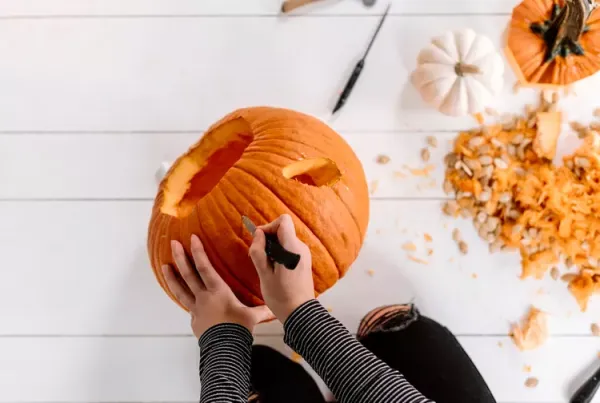
Credit: Melanie DeFazio / Stocksy
Duford's guidance centers on a simple trade-off: the longer a pumpkin's interior is exposed, the faster it deteriorates. She cites four consequences of carving too soon—early rot and decay, especially in warm weather; increased susceptibility to mold and bacteria on the cut flesh; moisture loss that leaves the gourd shriveled; and a shorter display window before the pumpkin sags or attracts pests. The one scenario where early carving may be desirable, Duford notes, is if a spooky, decrepit look is the goal.
Four Ways to Slow Pumpkin Rot

Danil Akhvatkin / Unsplash
Beyond timing, Duford suggests four practical steps to extend a carved pumpkin's life. First, coat cut surfaces with a disinfectant such as bleach to kill bacteria. Second, seal the exterior with clear polyurethane, vegetable oil, or petroleum jelly—wearing gloves during application. Third, avoid real candles, since heat accelerates decay; LED lights or flameless faux candles are safer alternatives. Fourth, keep pumpkins in a covered or shady outdoor area to shield them from direct sun and temperature swings.

Carving a pumpkin is fun, but be sure to keep your wits about you. Don't ruin Halloween by getting careless safety-wise. David Beaulieu
Duford's advice assumes pumpkins are displayed outdoors, where weather and wildlife pose the greatest threats. She notes that bugs and critters are drawn to rotting gourds, which can turn a porch display into an unwelcome attraction. For readers in warm climates or with sheltered porches, the calculus may shift, but the underlying principle remains: minimize the time between carving and display.

Mark Duffel / Unsplash
Master Gardener: Carve Pumpkins 1-2 Weeks Before Halloween in Cool Climates
Master gardener Mary Jane Duford advises carving pumpkins one to two weeks before Halloween in cooler climates, but waiting until a few days before in warmer areas. She shares four methods to slow rotting and explains why waiting preserves the gourd's appearance.
Editorial Notes