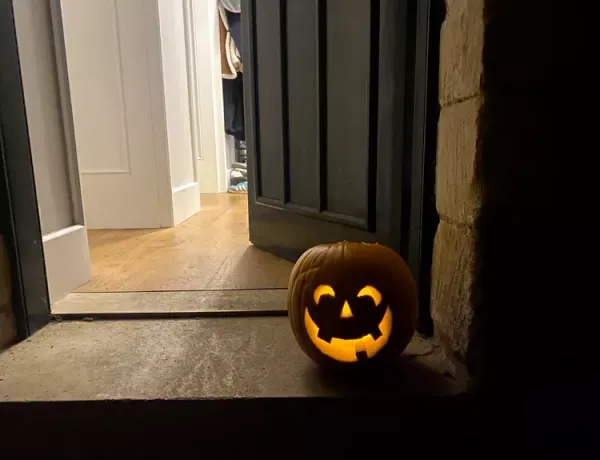
How to Carve a Pumpkin Cleanly and Safely for Halloween
Carving a pumpkin is a Halloween tradition, but the process can be messy and the tools are sharp. A step-by-step guide from The Spruce, with photos by Melissa Epifano, outlines how to create a jack-o'-lantern while keeping cleanup manageable and safety in mind.

Before starting, choose a design suited to your experience. Beginners should pick simple patterns; more advanced carvers can attempt complex designs using pumpkin chunks or mini pumpkins. Lay down newspaper or towels to protect surfaces, and wear clothes that can get dirty. Adults should supervise children, as carving involves knives.
Tools and materials
You will need a pumpkin carving kit or a long kitchen knife plus a paring knife, a wooden spoon or spork, a permanent marker, and a medium-sized pumpkin (10 to 20 pounds). Also gather newspaper or a plastic tablecloth, a printed design, a bowl, paper towels, and a real or fake candle.
Step-by-step carving
Select a firm pumpkin with a long stem for easier handling.  Cover your work surface with newspaper or a disposable tablecloth.
  Cut a jagged hole around the stem or in the back; a top hole lets smoke escape if using a real candle, while a back hole simplifies placing lights.
  Scoop out the pulp and seeds with your hands or a spoon, discarding stringy pulp into a bowl.


Wipe the pumpkin dry, then tape or hold your paper design in place. Poke holes along the outline with a toothpick or gouge tool, or use transfer paper to draw directly on the gourd. Remove the paper.  Carve along the dotted lines, using a paring knife for details and a larger knife for bigger cuts. Carving on your lap can provide more control. To slow rotting, brush exposed carved edges with petroleum jelly or clear polyurethane.

Lighting your jack-o'-lantern
For illumination, a real candle is traditional but poses a fire hazard and can blow out. Battery-operated candles offer a similar flicker, are safer, and can be set on a timer. String lights or colored lights can also be used. 
Frequently asked questions address making carving easier (use a stable surface, start simple, scoop with a large spoon), the best tools (serrated knives, paring knives, or kits), and whether a kit is necessary (not required; kitchen items like toothpicks, knives, and spoons suffice).
How to Carve a Pumpkin Cleanly and Safely for Halloween
A step-by-step guide to carving a pumpkin with minimal mess, covering tool selection, design transfer, carving technique, and lighting options. It emphasizes safety with sharp tools and offers practical tips for beginners and experienced carvers.
Editorial Notes