Etiquette Experts Explain Basic, Casual, and Formal Table Settings
A properly set table signals that a meal is an event worth pausing for, according to etiquette expert Jo Hayes. "A properly set table establishes the meal as an event," Hayes said, describing it as "an opportunity to pause, and take time out from the busyness and distractions of life." Hayes, a consultant and founder of Etiquette Expert, and international etiquette coach Jamila Musayeva provided step-by-step guidance for three table settings that build on one another: basic, casual, and formal.

Hayes said a set table "demonstrates effort, care and intentionality" and helps guests feel welcome. Musayeva, a three-time author whose latest book is The Art of Entertaining, described the basic setting as "all about simplicity and functionality" and "ideal for everyday meals."
Basic and Casual Settings
For a basic setting, Hayes recommends starting with a tablecloth—lace, cotton, or oilcloth for everyday use, linen for formal occasions—then adding a placemat if desired. A dinner plate goes in the center, with a fork to the left and knife to the right; a soup spoon, if needed, sits to the right of the knife. Paper napkins are acceptable, though Hayes prefers fabric, folded under the fork. The water glass is placed at the 2 o'clock position.

The casual setting adds a few elements. A soup bowl and salad plate are stacked on the dinner plate, a second glass or wine glass goes at 2 o'clock from the water glass, and fabric napkins are recommended. Musayeva noted that basic and casual settings allow for experimentation with colorful or modern cutlery.

Formal Table Setting Details
Musayeva said the formal setting "reflects elegance and careful detail" and is "often used for special occasions." It skips placemats and may include a charger plate, with a salad plate and soup bowl on top. A bread plate with a bread knife sits at the 11 o'clock position to the left. Flatware expands: a smaller salad fork goes to the left of the dinner fork, and a dessert spoon is placed above the plate. Place cards go above the dessert spoon. Hayes said fabric napkins, ideally linen, are a must, and Musayeva advised skipping napkin rings.
For glassware, Hayes places the water glass closest to the diner because "one drinks more water, than wine during dinner." Two wine glasses follow: red at 2 o'clock from the water glass, white at 7 o'clock from the red. Salt sits to the left of the place card, pepper to the right.

Practical Rules for Napkins, Flatware, and Centerpieces
Musayeva said napkins can go on top of the plate, to the left of the forks, or under the forks for basic and casual settings; for formal settings, a simple fold on top of or beside the plate works. She advised placing glassware "above the knives on the right, starting with the water glass closest to the diner, followed by wine glasses based on the order of use." Flatware follows the order of courses, working from the outside in: forks on the left, knives and spoons on the right, and dessert utensils above the plate for formal settings.

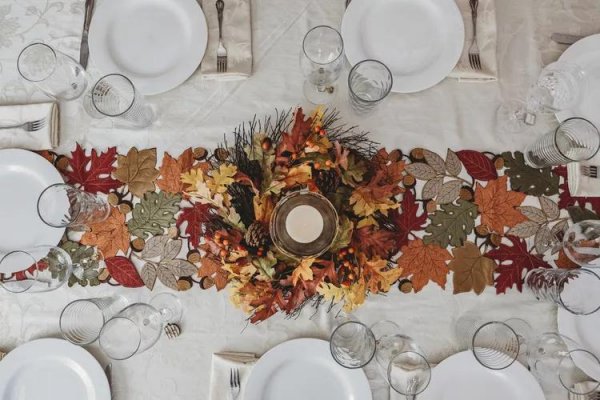
For centerpieces, Musayeva said flower arrangements should be positioned "either above or below eye level." She also recommended lighting candles after sunset to "enhance the ambiance." The experts noted that centerpieces should match the meal's theme and leave room for serving dishes.
Etiquette Experts Explain Basic, Casual, and Formal Table Settings
Etiquette experts Jo Hayes and Jamila Musayeva outline three progressive table settings—basic, casual, and formal—along with practical rules for flatware, glassware, and napkins. The guidance aims to help hosts create a welcoming atmosphere for everyday meals and special occasions.
Editorial Notes