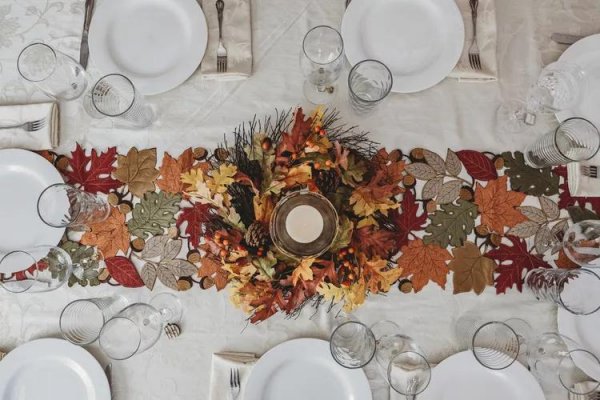
Hosting Pros: Skip Scented Candles on the Holiday Dinner Table
Scented candles may be a staple of fall and winter home decor, but hosting professionals say they do not belong on a dinner table. The reason is practical: smell shapes how food tastes, and a strong artificial fragrance can compete with the meal itself.

"Our sense of smell is so important when it comes to how we taste food," party hosting pro Jeannine Rose, the blogger behind Sweet Humble Home, told The Spruce. "When your guests arrive, you want them to be able to pick up on the scent of what culinary delights you have cooking—not the heavy scent of a vanilla sugar candle."
Interior designer Kathy Kuo, CEO of Kathy Kuo Home, agreed, adding that the effect can vary by guest. "Some guests may be extra sensitive to artificial scents, so it's best to steer clear of scented candles altogether," she said.

Unscented Options Still Work
Neither expert suggested abandoning candlelight. Rose recommended unscented tealights or tapers, which preserve the warm glow of a holiday table without adding fragrance. For hosts who still want scented candles, Rose said they can have a place elsewhere in the home—such as an entryway, powder room, or near the bar—where they set a mood without interfering with the meal.
Other Tablescape Mistakes to Avoid
Rose called tall or bulky centerpieces the biggest mistake she sees hosts make, because they obstruct conversation and the passing of dishes. Kuo advised leaving enough space between taper candles, vases, and other decorative elements to allow conversation to flow across the table. Rose also cautioned against glitter, sequins, or confetti, which she said clings to glasses, napkins, and plates, leaving hosts to police the table instead of enjoying the party.

On tableware, Kuo said a perfectly matched set is not necessary. She prefers "a subtly eclectic mix of dinnerware and serving dishes to create a heritage look that feels collected over time." Rose added that hosts do not need to buy everything new; mixing old and new pieces, or bringing in natural elements from the garden, can work just as well.
Both experts also flagged safety and function. Rose recalled a personal experience using a bowl of antique glass ornaments that shattered onto a guest's plate after a bauble was knocked during dinner, which she said taught her that stability is an important criterion for table decor. She suggested setting the table the day before and using sticky notes to plan where platters, a bread basket, butter dish, and water pitchers will go. Kuo said drinks should stay accessible, ideally on or within reach of the table.
Rose's rule of thumb: "If it gets in the way of conversation, functionality, comfort, or food, it doesn't belong on the table."
Hosting Pros: Skip Scented Candles on the Holiday Dinner Table
Party hosting pro Jeannine Rose and interior designer Kathy Kuo tell The Spruce that scented candles can interfere with how guests taste food and may bother scent-sensitive guests. They recommend unscented tealights or tapers and flag other tablescape pitfalls, including bulky centerpieces, unstable decor, and glitter.
Editorial Notes